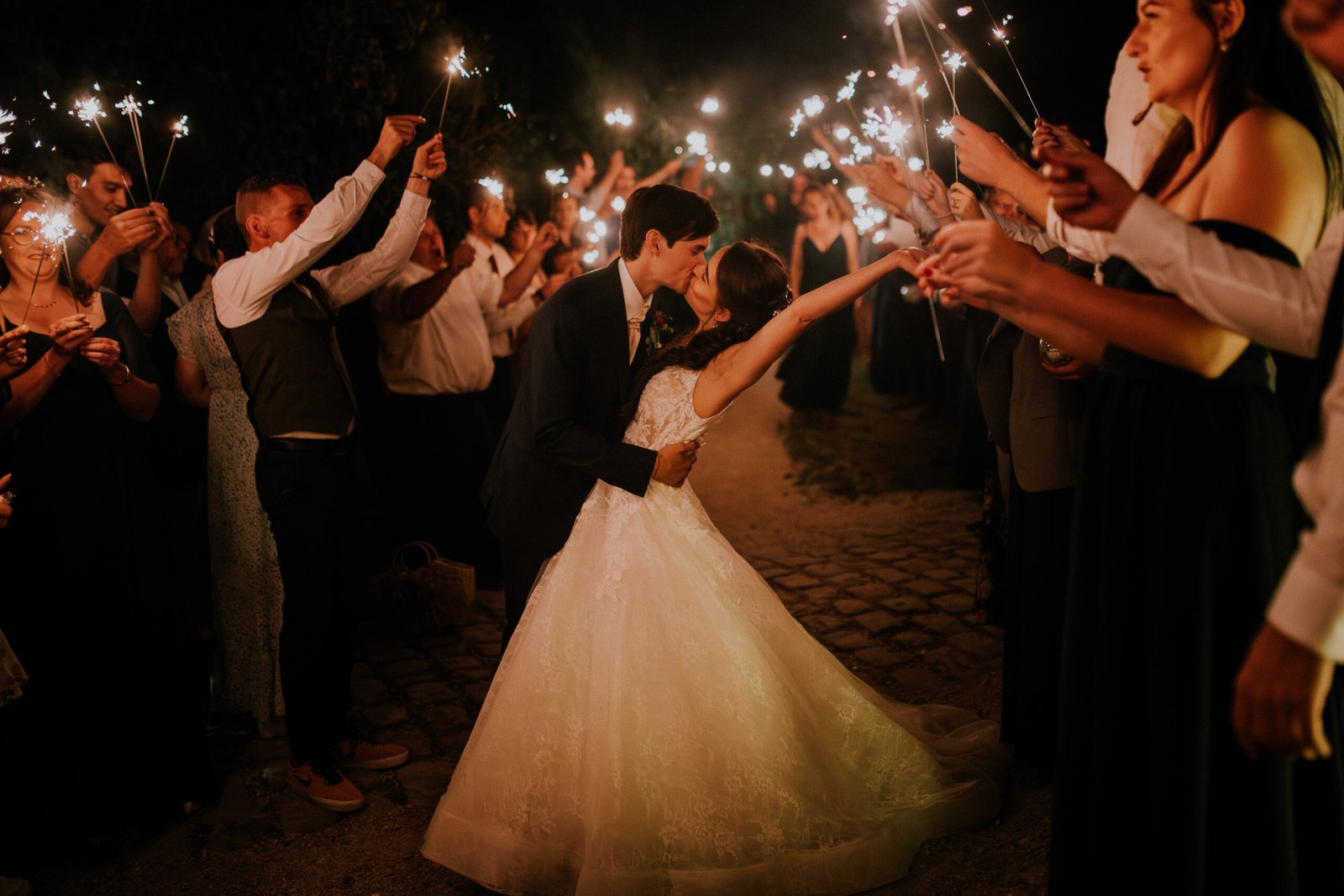
Getting Married in France as an American Couple: What You Should Know
Planning a wedding in France from the United States can feel both exciting and a little overwhelming.
You may already imagine the setting: a château in Normandy, a quiet countryside estate near Paris, a ceremony in Provence, a weekend with your closest people somewhere beautiful, warm and meaningful.
But then the practical questions arrive.
Can Americans legally get married in France?
Do you need to live there first?
Is a symbolic ceremony enough?
Should you get legally married in the US before coming to France?
These are important questions, and it is better to ask them early. France is a wonderful place to celebrate a wedding, but the legal side can be more complex than many couples expect.
This guide will help you understand the main options, the difference between a legal civil marriage and a symbolic ceremony, and how to plan a wedding in France that still feels deeply real, personal and beautifully connected to your story.
If you are still at the beginning of the process, you may also want to read my guide on how to plan a destination wedding in France, or explore my approach as a destination wedding photographer in France.
Important note: this article is for general information only and is not legal advice. Marriage rules in France can vary depending on the local mairie, so always confirm the current requirements directly with the town hall where you plan to marry and with the relevant official authorities, including the U.S. Embassy in France when needed.
Can Americans legally get married in France?
Yes, Americans can legally get married in France, but it is not always simple.
In France, the only legally binding marriage ceremony is the civil ceremony at the mairie, which is the local town hall. Religious, symbolic, humanist or celebrant-led ceremonies can be beautiful and meaningful, but they do not replace the civil marriage from a legal point of view.
For a legal marriage in France, you usually need to file a marriage dossier with the mairie where the ceremony will take place. The exact documents and requirements can vary depending on the commune.
This is the part many American couples do not expect.
France is not like some destinations where you can simply arrive, sign a few papers and legally marry a few days later. The local town hall will usually require a real connection to the commune, documents translated into French, and enough time to review your file before confirming the ceremony.
That does not mean it is impossible. But it does mean you should never assume.
Before making plans around a legal French marriage, contact the mairie directly and ask what they require for two U.S. citizens, or for your specific situation if one of you has French or European residency, family ties, or a local address.
For official information, you can also check the U.S. Embassy in France and Service-Public France.
Why many American couples choose a symbolic wedding in France
For many American couples, the simplest path is this: they get legally married in the United States first, then come to France for a symbolic wedding ceremony and celebration.
And honestly, this can be a very good option.
A symbolic ceremony in France gives you far more freedom. You can choose a château garden, a vineyard, a private estate, a countryside courtyard, a terrace overlooking the sea, or a quiet place that simply feels right to you. You can write your own vows, include family traditions, mix languages, invite a close friend to officiate, or work with a professional celebrant.
It can feel completely personal.
Some couples worry that a symbolic ceremony will feel “less real” because the legal paperwork has already happened elsewhere. But on the wedding day, what people feel is rarely about paperwork.
It is about walking toward each other. It is about the way your parents look at you. It is about your friends travelling across the world to be there. It is about the words you say out loud, the hands you hold, the dinner that follows, the music, the light, the atmosphere.
From a photography point of view, the emotional truth of the day does not depend on whether the legal document was signed that morning.
What matters is the experience you create.
Civil ceremony vs symbolic ceremony in France
The distinction between a civil ceremony and a symbolic ceremony is one of the most important things to understand before planning your wedding in France.
Civil ceremony
A civil ceremony is the legal marriage ceremony.
In France, it takes place at the mairie. It is usually conducted by the mayor or an authorized local official. It is generally quite structured, often in French, and focused on the legal act of marriage.
For French residents, this is the standard legal step before any religious or symbolic celebration.
For American couples, it may be possible in some cases, but you need to meet the requirements of the local town hall and provide the documents they ask for.
A civil ceremony can be meaningful, especially if one of you has a real connection to France. But for many destination weddings, it is not the most flexible option.
Symbolic ceremony
A symbolic ceremony is not legally binding, but it can be the main emotional ceremony of your wedding.
- secular;
- humanist;
- religious;
- spiritual;
- bilingual;
- led by a celebrant;
- led by a friend or family member;
- fully personalized around your story.
For destination weddings in France, symbolic ceremonies are extremely common. If you want to go deeper into vows, rituals and secular ceremony ideas, you can also read my guide to creating a non-religious wedding ceremony.
They allow couples to separate the administrative part from the emotional celebration. You can handle the legal marriage at home, then create a ceremony in France that feels slower, more personal and more connected to the place you chose.
Civil ceremony = legal.
Symbolic ceremony = personal, emotional and flexible.
Both can matter. They just do different things.
What documents might be required for a legal wedding in France?
If you want to legally marry in France, the mairie will give you the exact list of documents required for your situation.
This list can vary, but it may include:
- valid passports;
- birth certificates issued recently;
- certified French translations;
- apostilles;
- proof of address or proof of connection to the commune;
- certificate or attestation of marital status;
- information about your witnesses;
- divorce decree or death certificate if one of you was previously married;
- additional forms requested by the town hall.
For U.S. citizens, some documents can be more complicated because marriage records and eligibility are handled differently in the United States than in France. This is why the mairie and official U.S. sources should always be consulted directly.
Do not rely only on wedding blogs for this part, including this one.
Use articles like this to understand the big picture, then confirm the details with the authorities that will actually validate your file.
A good practical step is to contact the mairie as early as possible and ask:
- Do we qualify to get legally married in your commune?
- What documents do you require for U.S. citizens?
- Do documents need apostilles?
- Do documents need certified translations by a sworn translator?
- How recent do birth certificates need to be?
- How long before the ceremony should we submit the full dossier?
- Will the ceremony be in French?
- Are there any specific witness requirements?
The earlier you ask, the less stressful the process becomes.
Can you get married in France on a tourist visa?
For a legal marriage, simply travelling to France as tourists is usually not enough.
This is one of the main misunderstandings around destination weddings in France. Many couples imagine they can fly to Paris, choose a beautiful location, sign the papers and be legally married.
In practice, a French civil marriage usually requires more than being physically present in the country for a few days.
The mairie will look at your connection to the commune and the documents you can provide. Requirements vary, so the safest answer is: ask the town hall directly before making any legal plans.
If you are non-residents and do not have a clear connection to a French commune, a symbolic ceremony will often be the more realistic option.
And that is not a failure.
It often allows you to plan a better wedding experience, because you are not forcing the entire celebration to fit around administrative constraints.
Is a French marriage recognized in the United States?
In general, a marriage that is legally valid in the country where it took place may be recognized elsewhere, including in the United States. But recognition and any additional administrative steps can depend on your state and personal situation.
This is another area where you should verify directly with official sources.
If you are legally marrying in France, ask what documents you will receive after the civil ceremony and what you may need later in the United States.
If you are legally marrying in the United States first, then celebrating symbolically in France, this question becomes much simpler. Your legal marriage is handled at home, and your French wedding can focus on the experience, the people and the celebration.
For many American couples, that separation brings a lot of peace.
Planning your wedding in France from the US
Once the legal question is clearer, the next challenge is planning from abroad.
This part matters just as much.
A destination wedding is not only about choosing a beautiful venue. It is about creating an experience that works for you and for the people travelling to be with you.
When you plan from the United States, think carefully about:
- time zones when communicating with vendors;
- whether you need a wedding planner or a strong venue coordinator;
- guest travel and transport;
- accommodation nearby;
- airport and train access;
- weather backup plans;
- ceremony language;
- family expectations;
- cultural traditions;
- the rhythm of the day;
- how much time you want with your guests.
The best destination weddings usually feel relaxed, but that relaxation comes from preparation.
A wedding in France can involve guests arriving from different countries, people discovering the region for the first time, speeches in several languages, family traditions mixing together, and a full weekend rhythm rather than just one day.
That can be beautiful. But it needs space.
Try not to overfill the timeline. Leave room for people to breathe, move, talk, drink, laugh, and actually enjoy being in France.
As a photographer, I notice this a lot. The strongest moments often happen in the spaces between the official events: a parent adjusting a dress, guests arriving in the courtyard, a quiet moment before the ceremony, children running near the dinner tables, someone wiping away a tear during speeches.
If the day is too compressed, those moments can disappear.
Choosing the right place in France for your wedding
France offers many different wedding atmospheres. There is no single best place. The right one depends on the kind of experience you want.
If you want to stay close to Paris while keeping the feeling of a French countryside celebration, this guide to the best wedding venues near Paris can help you compare that option more clearly.
Paris
Paris is an obvious dream for many American couples.
It can be perfect for an elopement, an intimate wedding, a civil ceremony, or a refined celebration with a smaller guest list. The architecture, streets, bridges and quiet corners can create a very strong visual atmosphere.
But Paris also needs careful planning. Traffic, tourists, public spaces and timing can all affect the flow of the day.
For portraits, early morning or softer evening light can make a big difference.
Normandy and French châteaux
Normandy and château weddings are often a beautiful fit for American couples who want a strong sense of French atmosphere without being in the middle of a city.
Châteaux, countryside landscapes, old stone, gardens and full weekend celebrations can create a very complete destination wedding experience.
This is also a strong setting for families and guests travelling from abroad, especially when accommodation and events can happen on-site or nearby.
You can see this kind of atmosphere in this French-American wedding in Normandy, where the château setting, the international guests and the emotional rhythm of the day all came together naturally.
The countryside near Paris
Not every wedding in France needs to be far from Paris.
Some countryside venues near the capital offer a wonderful balance: easier access for guests flying into Paris, more space, a quieter atmosphere and a real French setting.
This can be especially helpful if your guests are travelling internationally and you want to reduce transport complexity.
A venue like Moulin de Launoy, for example, can offer that countryside feeling while staying reasonably connected to Paris. You can see this atmosphere in this autumn wedding at Moulin de Launoy.
South of France and the French Riviera
The South of France and the French Riviera are beautiful for couples who love Mediterranean light, outdoor dinners, sea views, warm evenings and a more destination-driven atmosphere.
They can be stunning, but they also require more attention to budget, logistics, season, guest accommodation and heat in summer.
June and September can often feel more comfortable than the middle of August, depending on the region and the kind of wedding you want.
How photography fits into your French wedding experience
For a destination wedding, your photographer is not only someone who arrives with a camera on the wedding day.
The preparation matters.
When I photograph international couples in France, I like to understand the full rhythm of the celebration:
- where guests are coming from;
- whether families are meeting for the first time;
- if there are speeches in different languages;
- whether the ceremony is symbolic, religious or civil;
- which traditions matter to you;
- how comfortable you feel in front of the camera;
- what kind of atmosphere you want to remember.
Over the last 10 years, I have photographed many international couples in France: American, British, Italian, Scandinavian, Indian, Chinese and more.
What I love about these weddings is that they never feel exactly the same. Every culture brings its own rhythm, its own way of celebrating, its own emotional codes.
Some weddings are loud and expressive. Others are quieter. Some families dance early. Some need time. Some ceremonies are full of laughter, others are very intimate and emotional.
As a photographer, you cannot arrive with a fixed idea of what the day should look like.
You have to observe.
For American couples planning from abroad, this relationship of trust is especially important. You may not meet all your vendors in person before the wedding. You need people who communicate clearly, understand destination weddings, and help you feel that the day is not just an idea far away.
It is becoming real.
Photography is part of that.
Not because it controls the day, but because it helps preserve what the day felt like: the place, the people, the ceremony, the dinner, the unexpected moments, the small gestures, the energy that brought everyone to France.
Common mistakes American couples should avoid
Assuming you can legally marry in France without checking the mairie
Always verify first. The town hall is the authority that matters for the civil ceremony.
Waiting too long to ask about documents
If you want a legal French marriage, paperwork can take time. Translations, apostilles and official documents should not be left until the last minute.
Confusing legal and symbolic ceremonies
A symbolic ceremony can be deeply meaningful, but it is not legally binding. Be clear on what each ceremony does.
Treating the symbolic ceremony as less important
If your symbolic ceremony is the one your guests attend, it deserves care. The words, the timing, the setting and the emotional rhythm all matter.
Booking a venue without thinking about guest logistics
A remote château can be beautiful, but guests still need to arrive, sleep, eat and move around. Think about airports, trains, taxis, shuttles and nearby accommodation.
Building a timeline without considering light
France is beautiful, but light changes depending on region, season and venue. Your ceremony time, cocktail hour and portraits should be planned with this in mind.
Booking photography too late
For a destination wedding in France, especially between May and September, it is better to book key vendors early. For photography, 12 to 18 months ahead is often a good window.
FAQ — Getting married in France as an American couple
Can Americans legally get married in France?
Yes, Americans can legally get married in France in some situations, but the process depends on the local mairie and your ability to meet their requirements. Always confirm directly with the town hall where you want to marry.
Can two U.S. citizens get married in France?
It may be possible, but it can be complex if neither of you has a connection to the commune. Many U.S. couples choose to marry legally in the United States, then celebrate with a symbolic ceremony in France.
Can we get married in France as tourists?
For a legal civil marriage, simply being in France as tourists is usually not enough. A symbolic ceremony is often the more realistic option for non-resident couples.
Is a symbolic wedding in France legally binding?
No. A symbolic wedding is not legally binding. But it can still be the main emotional ceremony of your wedding, with vows, guests, music, rituals and a setting that feels completely personal.
Should we get legally married in the US before our French wedding?
For many American couples, yes. It is often simpler to handle the legal marriage at home and keep the French celebration focused on the experience, the guests and the ceremony you truly want.
Is a French marriage recognized in the United States?
A legal marriage performed abroad may be recognized in the United States, but requirements can vary depending on your state and situation. Check with the relevant authorities before making legal plans.
Do we need a wedding planner in France?
Not always, but for a destination wedding with guests travelling from the US, a planner can be very helpful. They can support logistics, vendors, timelines, language and local coordination.
When should we book our photographer for a destination wedding in France?
Ideally 12 to 18 months before the wedding, especially for peak season dates between May and September. If your date or venue is very popular, earlier is even better.
Final thoughts: make it legal where it makes sense, make it meaningful in France
Getting married in France as an American couple can be simple or complex depending on what you mean by “getting married.”
If you mean the legal marriage, you need to check the requirements carefully with the mairie and official sources.
If you mean celebrating your wedding in France with the people you love, exchanging vows in a beautiful place, sharing dinner under the lights, and creating a day that feels completely yours, then a symbolic ceremony can be a wonderful option.
The paperwork matters. Of course it does.
But the meaning of the day is built somewhere else.
It is in the way your families gather. It is in the ceremony you create. It is in the place you choose. It is in the atmosphere, the rhythm, the light, the words, the gestures.
If you are planning your wedding in France from the United States and you want natural, documentary photographs of the day, I would be happy to hear more about what you are imagining.