How to Plan a Destination Wedding in France
Planning a destination wedding in France is exciting, but it can also feel like a lot at the beginning.
You may already picture the atmosphere: a château in the countryside, a dinner under the lights in Provence, a quiet ceremony near Paris, or a weekend with your closest people somewhere beautiful and meaningful. But once you start looking at venues, vendors, legal questions, travel, accommodation and timelines, everything can quickly feel a little overwhelming.
The good news is that you don’t have to figure everything out at once.
A destination wedding in France becomes much clearer when you approach it in the right order: first the kind of experience you want, then the region, the guests, the venue, the key vendors, and finally the details that will make the day feel smooth and personal.
Here is a calm, practical guide to help you start planning your wedding in France from abroad.
Start with the kind of wedding you want
Before looking at venues or vendors, take a moment to define what you actually want your wedding in France to feel like.
Do you imagine an intimate wedding with only your closest family and friends? A full weekend celebration with guests travelling from different countries? A château wedding, a Paris celebration, a countryside gathering, or a relaxed dinner somewhere in the South of France?
This first step matters more than it seems.
A destination wedding is not just about choosing a beautiful place. It is about creating an experience for yourselves and for the people who are travelling to be with you.
Try to clarify a few things early:
- how many guests you would like to invite;
- whether you want one wedding day or a full wedding weekend;
- the kind of atmosphere you love;
- the season you are considering;
- how formal or relaxed you want the celebration to feel;
- whether travel comfort is a priority for your guests.
You don’t need to have a perfect answer from the beginning. But having a clear direction will help every decision after that.
Think about your guests before choosing the location
France offers incredible wedding locations, from Paris to Provence, Normandy, the French Riviera, the Loire Valley and many quiet countryside venues in between.
But for a destination wedding, the most beautiful venue is not always the easiest one.
Before falling in love with a place, think about your guests’ experience. Where will they fly into? How far is the venue from the airport or train station? Are there hotels nearby? Will they need to rent cars? Is the place comfortable for older guests, families with children, or people travelling for the first time in France?
If you are planning a small wedding with 15 or 20 people, you may have more freedom to choose a remote château or countryside estate. If you are inviting 100 guests or more, accessibility becomes much more important.
A beautiful venue creates the setting. But smooth logistics help everyone arrive relaxed, present and ready to enjoy the celebration.
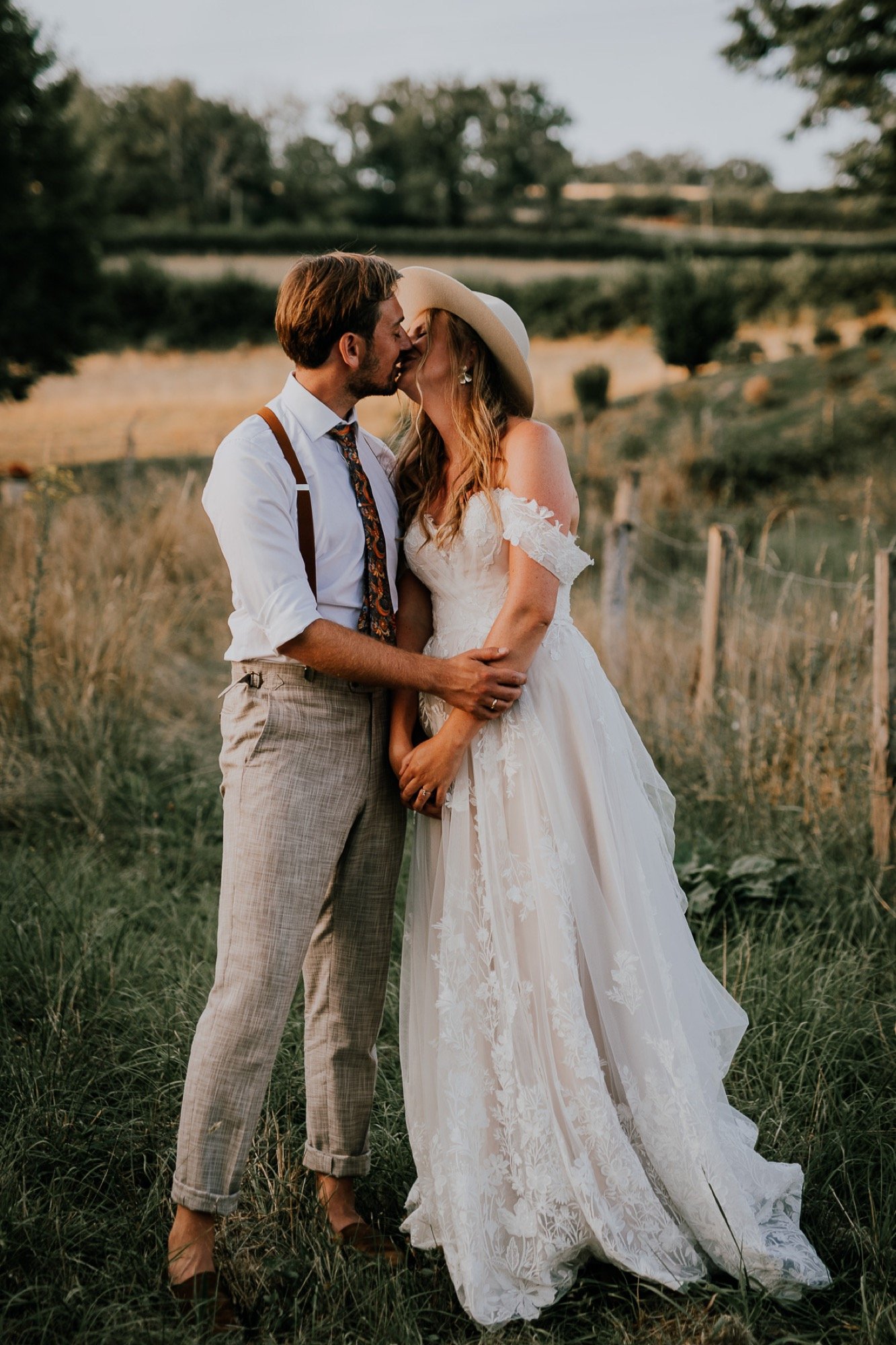
Choose the right region in France
One of the hardest parts of planning a destination wedding in France is choosing where to get married. Each region has its own rhythm, light, landscape and feeling.
There is no single “best” place. The right region depends on your guests, your style, your season and the kind of experience you want to create.
Paris
Paris is one of the most iconic wedding destinations in the world. For many international couples, it carries a very strong emotional image: architecture, elegance, history, cafés, quiet streets, and that particular Parisian light.
It can be a beautiful choice for an intimate wedding, an elopement, a civil ceremony, or a refined celebration close to the city.
The main things to keep in mind are logistics, traffic, busy public spaces and timing. Paris can be magical, but it needs to be planned carefully if you want the day to feel fluid.
Normandy and French châteaux
Normandy is a beautiful option for couples who love château weddings, countryside landscapes and a more peaceful atmosphere. It can feel elegant without being too formal, with a real sense of French history and character.
It is also a strong option for international weddings because many venues can host guests on-site or nearby, which helps create a full weekend experience.
For couples who dream of a château wedding in France, Normandy and the surrounding regions can offer a beautiful balance between atmosphere, accessibility and authenticity.
You can see this atmosphere in this French-American wedding in Normandy, where the château setting, the international guests and the emotional rhythm of the day all came together in a very natural way.
The French countryside near Paris
Not every destination wedding in France needs to be far from the capital.
Some countryside venues near Paris offer a wonderful compromise: a French setting, more space, a quieter atmosphere, and easier access for guests flying into Paris.
This can be especially helpful if your guests are coming from the United States, the UK, Canada or several different countries. They can arrive in Paris, spend a few days there, then travel to the wedding venue without crossing the entire country.
It is a lovely option for couples who want a destination feeling without making the logistics too heavy.
I also gathered a few of the best wedding venues near Paris if you want to compare this region with a photographer’s eye on light, timing and guest flow.
For example, this autumn wedding at Moulin de Launoy shows how a countryside venue near Paris can feel warm, elegant and deeply personal for an American couple getting married in France.
Provence and the South of France
Provence and the South of France are often what couples imagine when they think about a French destination wedding: warm light, outdoor dinners, olive trees, vineyards, stone houses, long summer evenings and a slower rhythm.
It is a beautiful region for weddings, especially if you want an outdoor celebration and a relaxed but elegant atmosphere.
The main points to consider are heat, seasonality, accommodation and travel. Some areas can be very busy in July and August, and the best venues book early.
The French Riviera
The French Riviera has a very different feeling: sea views, Mediterranean light, iconic landscapes, and a more glamorous atmosphere.
It can be stunning for an international wedding, especially if you want your guests to experience the coast, the sunshine and a strong sense of destination.
It is also one of the more expensive regions in France, so it is important to be realistic about budget from the beginning.
The Alps, the Atlantic coast and beyond
France has many other possibilities: mountain weddings in the Alps, relaxed celebrations on the Atlantic coast, vineyard weddings, private estates, hidden domaines and smaller countryside venues.
If you already have a personal connection to a region, that can matter more than choosing the most famous destination.
A wedding in France does not have to follow a cliché. It should feel like the right setting for your story.
Be realistic about your budget
There is a common idea that a destination wedding is always cheaper than a wedding at home. Sometimes it can be, especially if the guest list is smaller. But it is not automatic.
A wedding in France can become expensive depending on the region, the venue, the number of guests, the catering, the planner, the accommodation, the transportation and the number of events you want to include.
A small wedding on the French Riviera can sometimes cost more than a larger wedding somewhere else. A château wedding may include accommodation, but also require specific catering, rentals or logistics. A multi-day celebration with a welcome dinner and brunch will naturally have a different budget than a one-day wedding.
The goal is not to be afraid of the budget. It is simply to understand what influences it.
The main factors are usually:
- the venue;
- the number of guests;
- catering and drinks;
- wedding planner or coordination;
- photography and video;
- florals and design;
- music and entertainment;
- transportation;
- accommodation;
- the number of wedding events.
Being clear about your budget early will help you make better decisions and avoid falling in love with options that do not fit the whole picture.
Decide if you need a wedding planner in France
For many international couples, a wedding planner in France is one of the most helpful investments.
It is not always mandatory. Some very small weddings can be planned with lighter coordination. But if you are organizing from abroad, working with someone who knows the French wedding market, speaks the language and understands local logistics can make a real difference.
A good planner can help with:
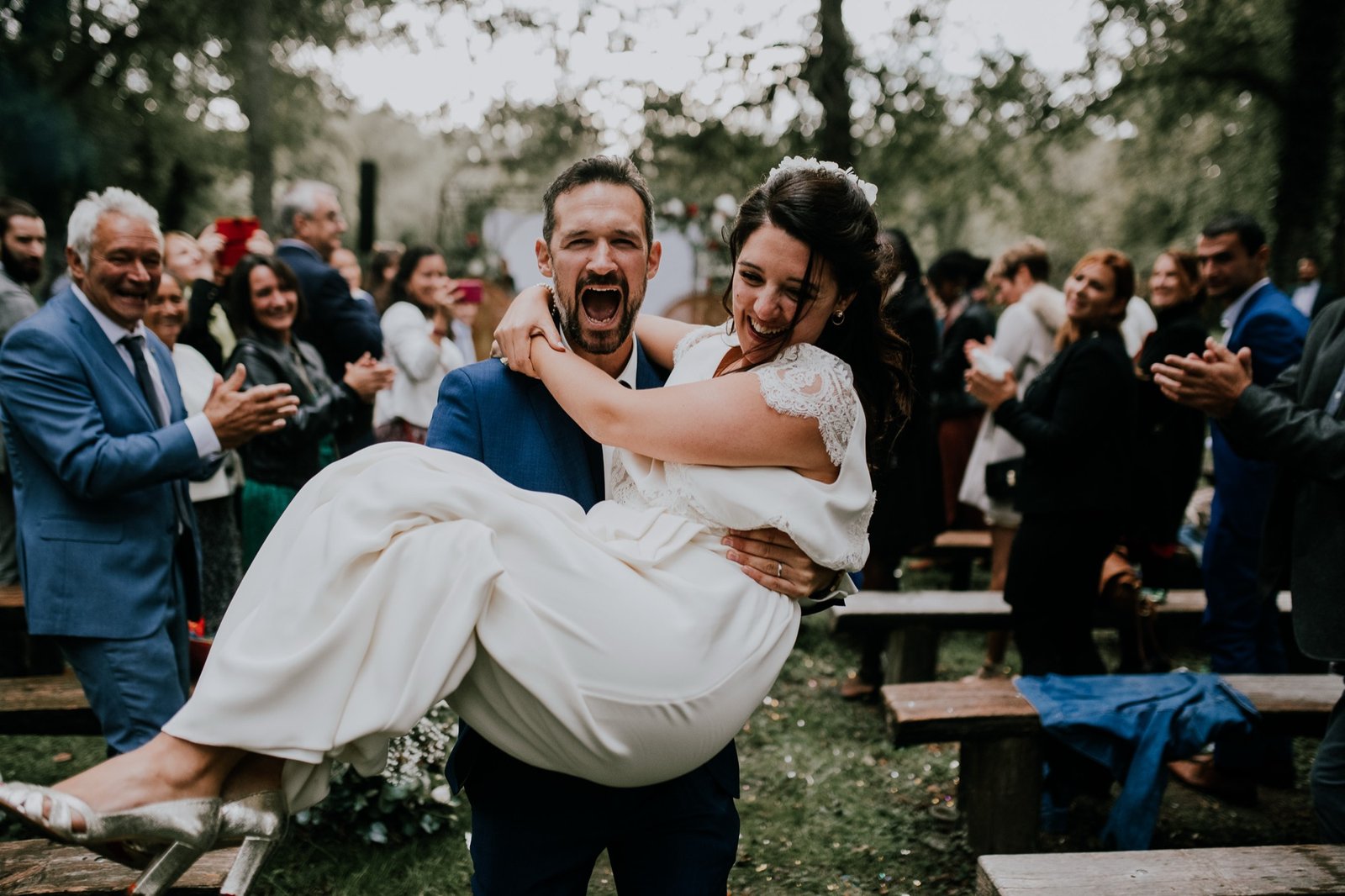
- finding the right venue;
- communicating with local vendors;
- understanding contracts and expectations;
- building the timeline;
- coordinating transport and accommodation;
- managing the wedding day;
- creating a plan B in case of bad weather;
- solving small problems before they become stressful.
This is especially important if you do not speak French fluently or if you are planning a larger wedding.
A planner does not replace the photographer, and the photographer does not replace the planner. But when both communicate well, the whole day usually feels smoother.
Understand the legal side of getting married in France
The legal side of getting married in France can be complex for non-residents.
In many cases, international couples choose to do the legal part in their home country and then have a symbolic ceremony in France. This is often simpler and gives more freedom for the ceremony itself.
That said, every situation is different. Requirements can depend on residency, nationality, local rules and the town hall involved.
If you are considering a legal wedding ceremony in France, it is important to check with the relevant authorities, the local mairie, or an experienced wedding planner.
For many couples, the emotional heart of the wedding is the ceremony they share with their family and friends in France, even if the legal paperwork happens elsewhere.
Choose the right season for your wedding in France
The season has a big impact on your wedding experience in France.
It affects the weather, the light, the comfort of your guests, venue availability, travel costs and the rhythm of the day.
Spring
Spring can be beautiful, especially from April to June. The light is often soft, gardens are alive, and the temperatures can be comfortable.
The weather can still be unpredictable, so a good indoor or covered option is important.
Summer
Summer is very popular, especially for outdoor weddings, long dinners and warm evenings.
July and August can be beautiful, but also hot, busy and more expensive in some regions. In the South of France, the light can be strong during the day, so the timeline needs to be planned carefully.
If you are planning a summer ceremony, think about shade, hydration, guest comfort and the best time for photos.
September
September is often one of the best months for a wedding in France.
The weather is usually still warm, the light is softer, and the atmosphere can feel calmer than peak summer. It is also a very popular month, so venues and photographers often book early.
Autumn
Autumn can be beautiful, especially for château weddings and countryside venues. The colors, the softer light and the quieter atmosphere can create a very elegant feeling.
It is a lovely option if you are not looking for a hot summer wedding.
Winter
Winter weddings are less common, but they can work beautifully for intimate celebrations, Paris weddings or cozy château gatherings.
The days are shorter, so photography timelines need to be planned with care.
Build a realistic planning timeline
A destination wedding in France usually needs more anticipation than a local wedding, especially if your guests are travelling from far away.
Here is a simple timeline to help you understand the rhythm.
18 to 24 months before
This is the best time to define the big picture.
Start with:
- your approximate budget;
- the number of guests;
- the type of wedding you want;
- the region in France;
- your preferred season;
- your venue search;
- whether you need a wedding planner.
For popular regions and venues, starting early gives you more choice.
12 to 18 months before
Once the venue and date are confirmed, start booking your key vendors.
This usually includes:
- wedding planner or coordinator;
- photographer;
- catering;
- videographer if needed;
- music;
- florist;
- hair and makeup;
- celebrant or officiant.
This is also a good time to send save the dates, especially if guests need to book international flights.
6 to 12 months before
At this stage, the main structure is usually in place.
You can work on:
- ceremony details;
- design and florals;
- guest accommodation;
- transportation;
- first version of the timeline;
- welcome dinner or brunch;
- music choices;
- travel information for guests.
This is also a good moment to have deeper conversations with your photographer about the flow of the day, important people, family dynamics and the moments that matter most to you.
3 to 6 months before
Now the wedding starts to become more concrete.
You can finalize:
- the ceremony structure;
- the guest list;
- family photo combinations;
- transportation schedules;
- vendor timings;
- weather plan;
- dinner layout;
- speeches and important moments.
For international weddings, this is also when communication becomes especially important. Everyone should know where they need to be, when, and how the day will unfold.
The final month
The final month is about clarity.
You do not want to make big decisions at the last minute. You want to confirm the plan.
Focus on:
- final timeline;
- final guest numbers;
- vendor confirmation;
- family photo list;
- weather options;
- final calls with planner and photographer;
- packing and travel details.
A clear timeline does not make the day rigid. It gives everyone enough structure to relax.
Book your key vendors early
The best wedding vendors in France often book well in advance, especially for May, June, September and popular summer weekends.
Once your venue and date are confirmed, it is worth reaching out to the vendors that matter most to you.
For many couples, these are:
- planner;
- photographer;
- caterer;
- florist;
- videographer;
- music or DJ;
- hair and makeup;
- celebrant;
- transport provider.
If you are planning from abroad, communication matters as much as style. You want people who answer clearly, understand international weddings and make you feel confident before you arrive in France.
Book your destination wedding photographer in France
For a destination wedding, your photographer is not just someone who arrives on the day with a camera.
They are one of the people who will help you prepare the rhythm of the day, think about the light, understand the timeline, anticipate family photos, and document the atmosphere you are creating for everyone who travelled to be there.
If photography is important to you, book your photographer as soon as your date and venue are confirmed.
When choosing a destination wedding photographer in France, look beyond a few beautiful images on Instagram. Ask to see full galleries. Notice how the photographer captures the whole day: preparations, ceremony, family, dinner, party, small gestures, emotional moments and everything in between.
For English-speaking couples, communication is also essential. You need to feel comfortable explaining what matters to you, asking questions, sharing family details and talking through the timeline.
This is especially true for international or bilingual weddings, where speeches, family dynamics and cultural traditions can bring a different rhythm to the day.
If you are still exploring this part, you can also read my guide about choosing a destination wedding photographer in France.
Plan the photography around light, timing and location
Photography is not only about the photographer’s style. It is also about how the day is planned.
In France, the light can change a lot depending on the region, the season and the time of day. A summer ceremony in Provence at 2 p.m. will not feel the same as an autumn ceremony in Normandy or an evening couple session near Paris.
Good photography planning helps with:
- avoiding the harshest light when possible;
- keeping enough time for family photos;
- creating space for natural couple portraits;
- planning around travel time inside large venues;
- leaving breathing room between events;
- making the most of golden hour;
- preparing a backup plan in case of rain.
This is something I care about a lot as a photographer.
A good photo timeline is not just about creating beautiful images. It also helps the day feel calmer. When the schedule is realistic, you can enjoy the moment instead of feeling rushed from one thing to the next.
Think beyond the wedding day
Many destination weddings in France are not just one-day events.
Because guests are travelling, the wedding often becomes a full experience: a welcome dinner, a relaxed morning, a ceremony, a long dinner, a party, and sometimes a brunch the next day.
You do not need to overplan everything. But giving your guests a few moments to connect can make the whole wedding feel more generous and personal.
This can be as simple as:
- a welcome drink;
- a dinner the night before;
- a short activity in the region;
- a brunch after the wedding;
- a free afternoon for guests to explore.
For international weddings, these quieter moments often become some of the most meaningful ones. Families meet, friends discover the place, and the wedding feels less like a single event and more like a shared memory.
Common mistakes to avoid
A destination wedding in France does not need to be stressful, but there are a few common mistakes worth avoiding.
Choosing a venue before thinking about logistics
A venue can be beautiful and still be complicated for your guests. Always check access, accommodation, transport and comfort before signing.
Assuming a wedding in France will automatically be cheaper
It might be more intimate, but not necessarily less expensive. Be realistic about the full budget.
Booking key vendors too late
The best venues, planners and photographers often book early, especially for popular months.
Not having a weather plan
Outdoor ceremonies and dinners can be beautiful, but you need a plan B that you actually like.
Overloading the wedding day
A destination wedding already involves travel, emotions and many moving parts. Leave space in the timeline.
Ignoring language and communication
If you are planning from abroad, clear communication with your vendors is essential. Working with people who are comfortable in English can make the whole process easier.
Forgetting the guest experience
Your guests are travelling for you. Their comfort, transport and accommodation matter.
Final checklist for planning a destination wedding in France
Here is a simple checklist to keep the process clear:
- define the kind of wedding you want;
- estimate your guest count;
- choose the region in France;
- define your budget;
- think about guest travel and accommodation;
- choose and book your venue;
- decide if you need a wedding planner;
- understand the legal or symbolic ceremony options;
- book your key vendors early;
- choose your wedding photographer;
- build a realistic timeline;
- plan transportation;
- prepare a weather backup;
- create a guest information guide;
- finalize family photo details;
- confirm everything during the final month.
You do not have to do everything at once. The most important thing is to move step by step.
Frequently asked questions
How far in advance should you plan a destination wedding in France?
For most destination weddings in France, 12 to 24 months is a good planning window. If you are considering a popular venue, a château, the South of France, Paris, or a date in June or September, starting early will give you more choice.
Do you need a wedding planner for a destination wedding in France?
Not always, but it is strongly recommended if you are planning from abroad, inviting many guests, or choosing a venue with complex logistics. A planner can help with local vendors, language, timeline, transport, coordination and the wedding day itself.
Can foreigners legally get married in France?
It can be possible in some situations, but the process can be complex for non-residents. Many international couples choose to complete the legal marriage in their home country and have a symbolic ceremony in France. Always check with the local mairie, official authorities or an experienced planner.
Is a destination wedding in France cheaper?
Not necessarily. A destination wedding can be smaller, but France is not automatically cheaper. The final budget depends on the region, venue, number of guests, catering, accommodation, planner, vendors and number of events.
What is the best month to get married in France?
June and September are often excellent months because the weather is usually pleasant and the light is beautiful. July and August can also be beautiful, but they may be hotter, busier and more expensive in some regions. Spring and autumn can be wonderful depending on the venue and atmosphere you want.
When should we book our wedding photographer in France?
Once your date and venue are confirmed, it is a good idea to contact your photographer. For popular dates, many couples book 12 to 18 months in advance. This is especially true if you want a photographer experienced with destination weddings and English-speaking couples.
Planning your wedding in France with the right people around you
Planning a destination wedding in France is a real project. There are many details to think about, and doing it from abroad can sometimes feel far away.
But with the right priorities, the right people and a realistic timeline, it can become a beautiful and very personal experience.
Start with what matters most: the feeling of the day, the people you want around you, the place that feels right, and the memories you want to keep.
The rest can be built step by step.
If photography is one of your priorities, working with a photographer based in France, comfortable in English and experienced with international weddings can make the process much smoother.
Your wedding in France should not feel like a production you have to control from a distance. It should feel like a day you can actually live — fully, calmly, and with the people you love.