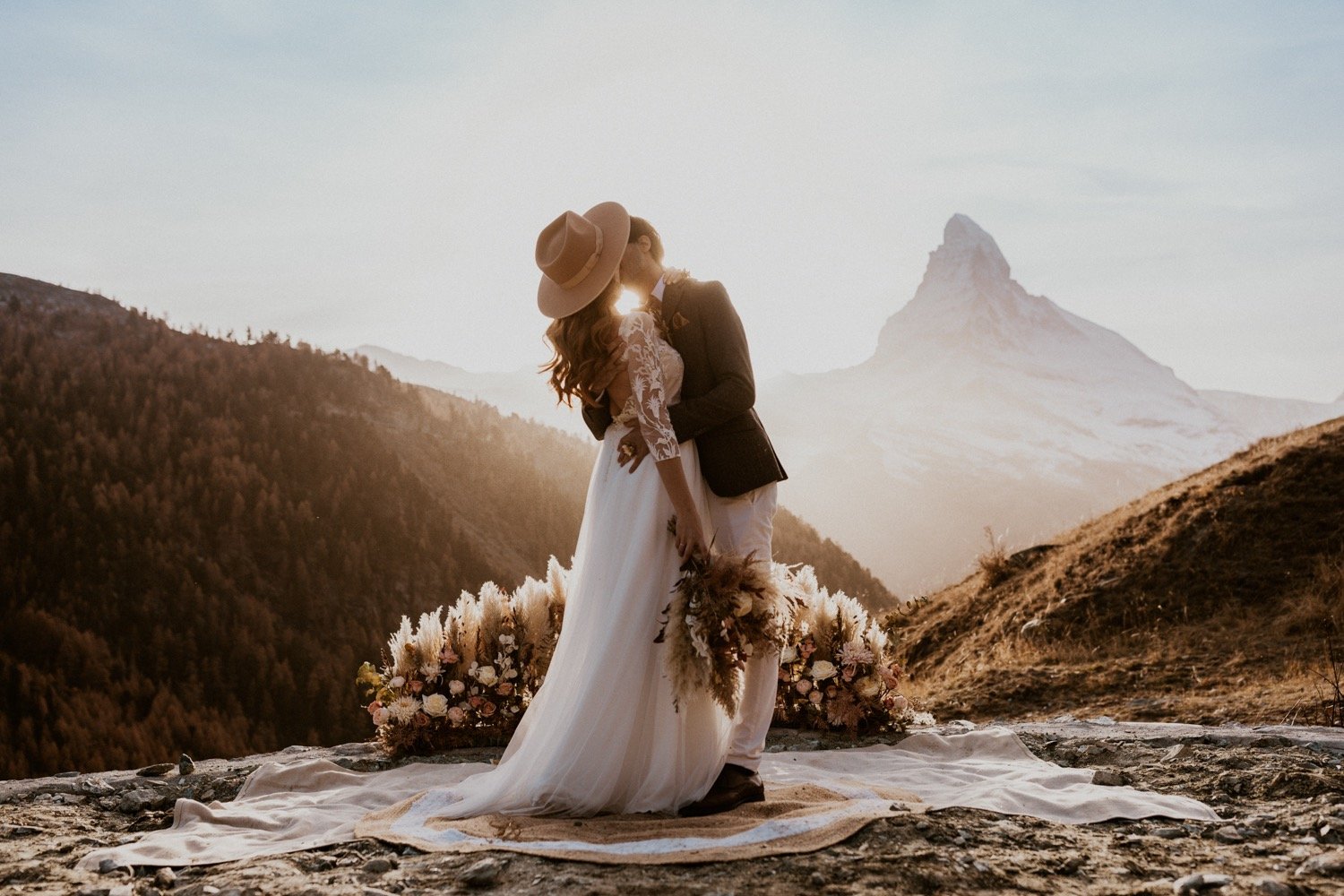
Elopement in France: How to Plan an Intimate Wedding
Planning an elopement in France can feel both simple and a little overwhelming.
Simple, because an elopement is not about managing a huge guest list, a packed timeline or a full wedding production. It is usually more intimate, more personal, and more focused on what truly matters to the two of you.
But it can also feel overwhelming because once you start planning from abroad, many questions appear quickly.
Where should you elope in France? Can foreigners legally get married here? Do you need a planner? What kind of ceremony is possible? How much should you organize in advance? And how do you create a day that feels meaningful without turning it into something too complicated?
The good news is that an elopement in France does not need to be overplanned to be beautiful. But it does need a clear direction, a realistic timeline, and the right people around you.
Here is a calm, practical guide to help you understand how to plan an intimate wedding or elopement in France.
What is an elopement?
An elopement is an intimate wedding experience, usually centered around the couple rather than a large celebration.
Traditionally, the word “elopement” meant running away to get married in secret. Today, it has a much softer and more intentional meaning.
For many couples, eloping means choosing a smaller, more personal way to get married. It can be just the two of you, or a very small group of close family and friends. It can happen in the mountains, in Paris, in the countryside, by the sea, in a château, or in a place that has meaning for your story.

An elopement is not necessarily about escaping people. It is often about escaping pressure.
The pressure to invite everyone. The pressure to organize a wedding that looks a certain way. The pressure to follow traditions that do not really feel like you.
Instead, an elopement gives you space to create a wedding day that feels more intimate, more intentional, and often more relaxed.
That does not mean it has to be improvised. A beautiful elopement still needs thought, care and organization. But the focus is different.
The goal is not to create a smaller version of a traditional wedding. The goal is to create a day that feels deeply yours.
Is France a good place for an elopement?
France is a beautiful country for an elopement because it offers so many different atmospheres in one place.
You can imagine a ceremony in the mountains, a quiet morning in Paris, a golden-hour session in Provence, a walk along the coast in Brittany, a château in Normandy, or a peaceful countryside celebration near Paris.
Each region has its own light, rhythm and feeling.
For international couples, France also carries a strong emotional image: old villages, architecture, nature, food, history, and a certain sense of romance without needing to force it.
But choosing France is not only about the scenery.
A good elopement location should also make sense practically. You need to think about access, season, weather, accommodation, legal questions, and how comfortable the day will feel once you are actually there.
A remote mountain view may be breathtaking, but it requires planning. A Paris elopement can be iconic, but timing and privacy matter. A countryside venue can feel peaceful, but transport may need to be organized.
France is an amazing place to elope, but the best location is not always the most spectacular one. It is the one that fits your energy, your story, and the kind of day you want to live.
Can foreigners legally elope in France?
This is one of the most important questions to clarify early.
For non-residents, getting legally married in France can be complicated. Civil marriage in France usually involves specific residency conditions, paperwork, and communication with the local town hall, called the mairie.
Because of this, many international couples choose a simpler option: they complete the legal marriage in their home country, then have a symbolic ceremony in France.
This symbolic ceremony can still be the emotional heart of the day.
You can exchange vows, include a celebrant, invite a few close people, create a personal ritual, and experience the wedding day in a way that feels real and meaningful — even if the legal paperwork has been done elsewhere.
Every situation is different, so it is important to verify the legal requirements with the relevant authorities, a local mairie, or an experienced wedding planner in France.
But in practice, for many couples coming from abroad, the most fluid path is usually: legal ceremony at home, symbolic elopement ceremony in France, then an intimate celebration or dinner afterwards.
This keeps the administrative side simpler and gives you more freedom for the ceremony itself.
Elopement or intimate wedding: what is the difference?
The line between an elopement and an intimate wedding can be quite flexible.
An elopement usually involves just the couple, or a very small number of guests. The day is often built around the ceremony, the location, the experience, and photography.
An intimate wedding may include more guests — perhaps 10, 20 or 30 people — and can look a little closer to a traditional wedding, but on a smaller scale.
Both can be beautiful.
The real question is not the label. It is the feeling you want.
Do you want to be completely alone together? Do you want your parents or closest friends with you? Do you want a ceremony and a dinner? Do you want a full day, or just a few meaningful hours? Do you want adventure, elegance, simplicity, or a mix of everything?
Once you understand the kind of experience you want, the rest becomes easier to plan.
If you are considering a slightly larger celebration with guests travelling from abroad, you may also want to read this guide on how to plan a destination wedding in France.
Best places to elope in France
There is no single best place to elope in France. The right location depends on your personality, your season, your guests if you have any, and the atmosphere you want.
Here are some of the most beautiful options to consider.
Paris
Paris is an obvious choice for many international couples, but it can still be deeply personal when planned with care.
A Paris elopement can feel elegant, intimate and cinematic. Early morning streets, quiet gardens, old architecture, cafés, bridges, and soft city light can create a beautiful setting for a small wedding experience.
Paris works especially well if you want an iconic French setting, easy access for international travel, beautiful city portraits, a refined but simple elopement, and a ceremony followed by dinner in the city.
The main thing to anticipate is timing. Paris can be busy, especially around famous landmarks. If you want quiet, privacy and softer light, early morning or carefully chosen locations usually work better.
The French Alps
The Alps are perfect for couples who love mountains, fresh air and dramatic landscapes.
An elopement in the French Alps can feel powerful and intimate at the same time. The scenery does a lot by itself, but the day needs to be planned carefully.
You may need to think about the season, hiking distance, weather changes, accessibility, appropriate outfits and shoes, transport, and backup plans.
Mountain elopements are beautiful, but they should never be treated like a simple photoshoot. Comfort and safety matter.
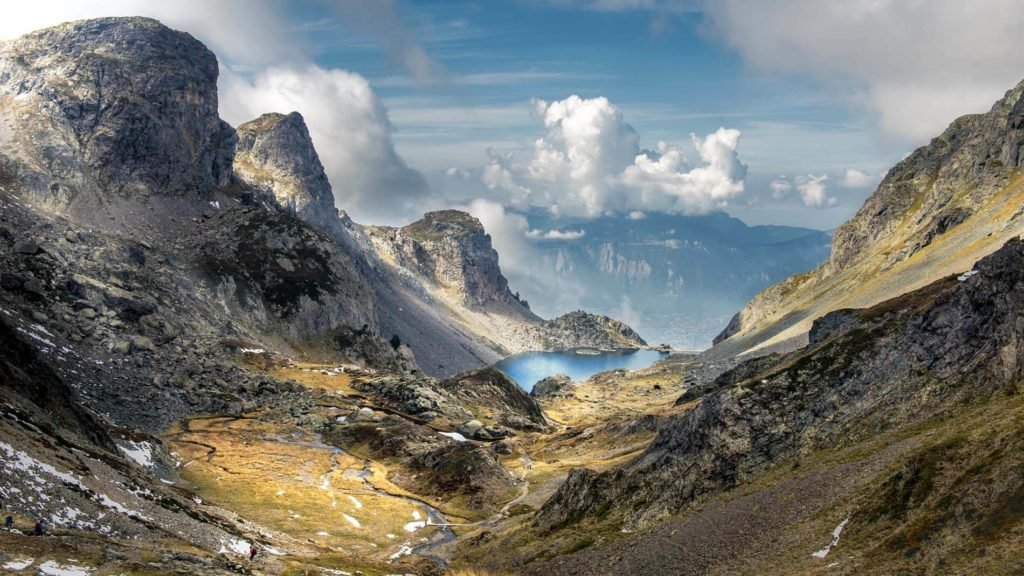
If you love adventure but still want the day to feel calm, the Alps can be an incredible choice.
Provence and the South of France
Provence is often associated with warm light, stone villages, olive trees, lavender fields, vineyards and long summer evenings.
It is a beautiful region for couples who want an intimate wedding with a relaxed, elegant and sun-drenched atmosphere.
A Provence elopement can work especially well if you imagine an outdoor ceremony, a peaceful countryside setting, a dinner under the lights, warm tones and natural textures, and a slower rhythm.
The main point to consider is the season. Summer can be very hot and some areas become busy in July and August. June and September are often more comfortable, especially for photography and guest experience.
Normandy
Normandy has a softer, quieter atmosphere.
It can be a beautiful choice if you love countryside landscapes, historic architecture, cliffs, old villages or château settings. Compared to some more famous southern regions, Normandy can feel more understated and intimate.
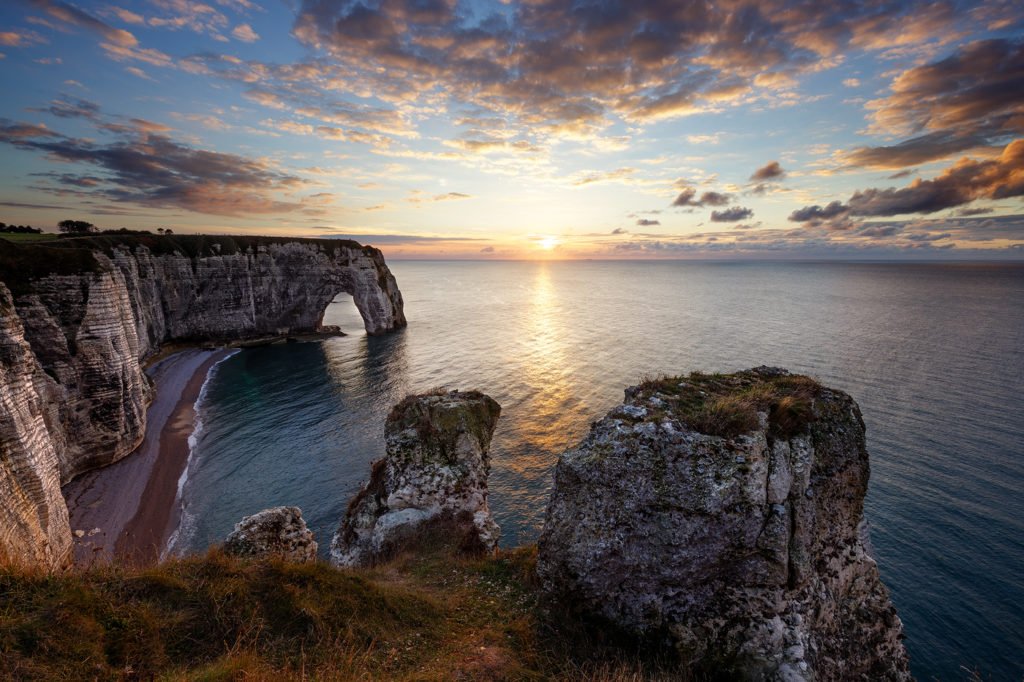
It is also a good option if you want to stay relatively close to Paris while still creating a real destination feeling.
For an elopement or intimate wedding, Normandy can offer calm countryside, elegant châteaux, coastal landscapes, easier access from Paris, and a timeless atmosphere.
The weather can be unpredictable, so a flexible plan is important. But that softness can also be part of the charm.
Brittany and the Atlantic Coast
Brittany and the Atlantic coast have a more raw and poetic feeling.
Wind, cliffs, beaches, forests, stone villages, changing skies — this part of France can be perfect for couples who want something natural, simple and deeply connected to the landscape.
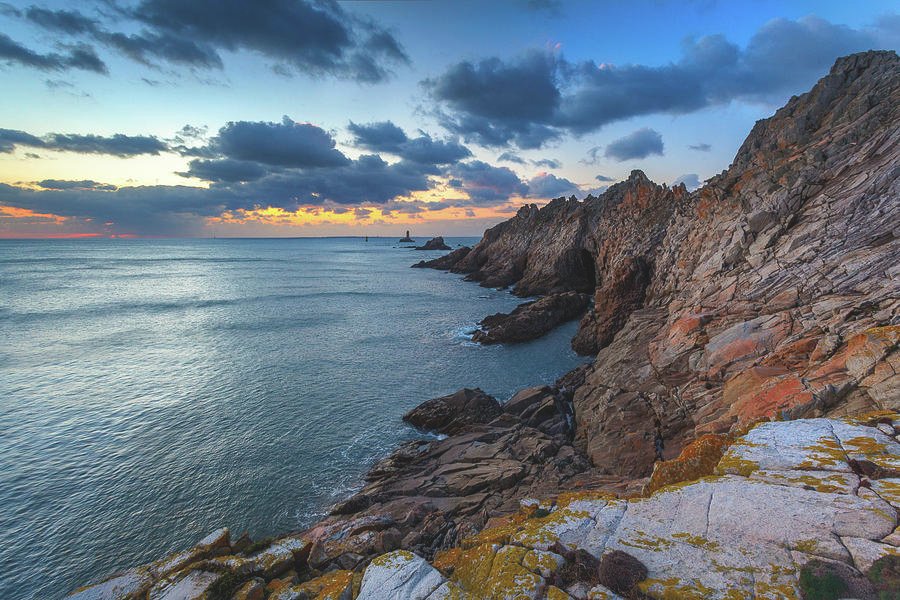
It is less polished than some classic wedding destinations, and that can be exactly what makes it beautiful.
If you love the sea, wild nature and a more organic atmosphere, Brittany can be a very strong option for an elopement in France.
Corsica
Corsica offers some of the most spectacular landscapes in France: mountains, beaches, cliffs, turquoise water and wild nature.

It can be incredible for an adventurous elopement, especially if you want a strong sense of escape.
But Corsica also requires more logistical planning. Travel, transport, accommodation and seasonality need to be considered carefully, especially if you are inviting a few guests.
It is a beautiful option, but not the easiest one to improvise.
Auvergne and the Pyrenees
Auvergne and the Pyrenees are wonderful options if you want landscapes that feel quieter, more spacious and less expected.
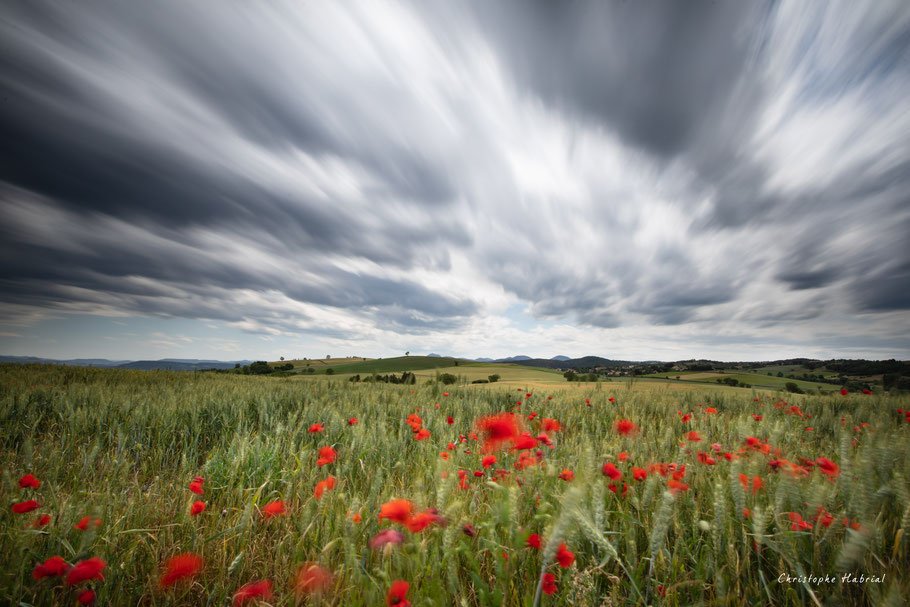
Auvergne can offer volcanic landscapes, wide views and a peaceful atmosphere. The Pyrenees can feel more dramatic, especially for couples who love mountains without choosing the Alps.
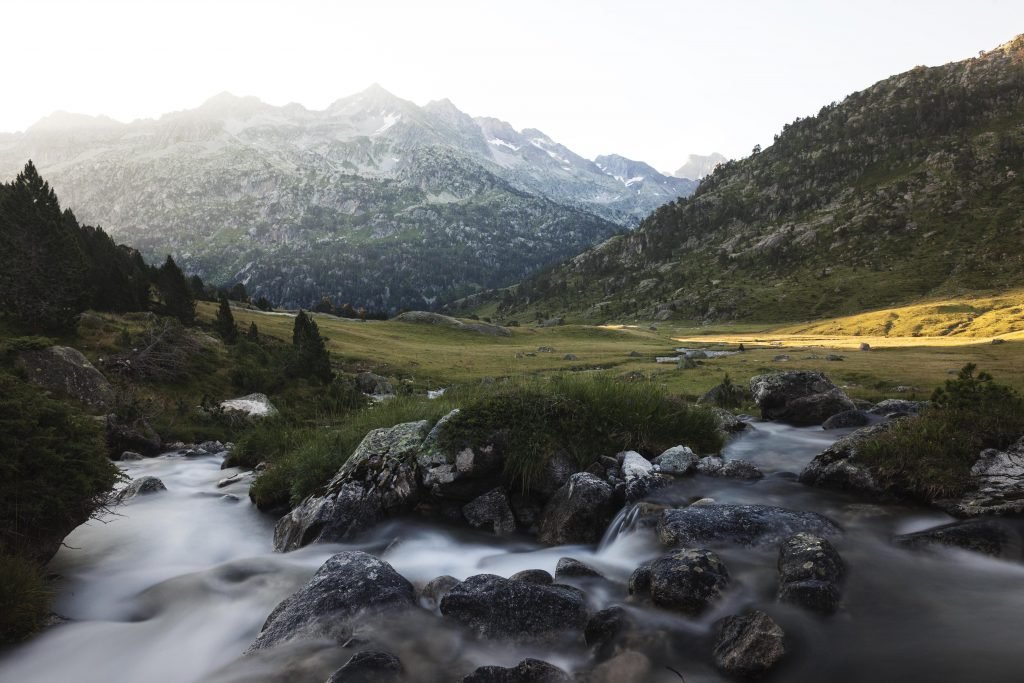
These regions are especially interesting if you want a nature-focused elopement with fewer crowds and a stronger sense of escape.
The French countryside near Paris
You do not have to go far from Paris to create a beautiful intimate wedding in France.
Some countryside venues near Paris offer a very good balance: French atmosphere, more space, easier access, and a quieter rhythm than the city.
This can be a good option if you want an intimate wedding with a few guests, a ceremony, a dinner and beautiful portraits — without asking everyone to travel across the country.
You can also explore this guide to beautiful wedding venues near Paris if you are considering an intimate celebration in Île-de-France.
How to plan an elopement in France
An elopement is simpler than a traditional wedding, but it still needs structure.
You do not need a huge planning spreadsheet. But you do need to make a few important decisions in the right order.
1. Choose the kind of experience you want
Before choosing the exact location, ask yourselves what you want the day to feel like.
Do you want something adventurous? Quiet? Elegant? Very emotional? Completely private? Shared with a few close people?
Do you imagine walking through Paris, hiking in the mountains, exchanging vows in a château garden, or spending the evening together in a small countryside hotel?
This first step is important because the location should support the experience — not the other way around.
A beautiful view is not enough if the day feels stressful, rushed or uncomfortable. Start with the feeling, then build the plan around it.
2. Decide who will be there
Some elopements are just the couple. Others include parents, siblings, best friends or children.
There is no right answer.
But the number of people will change the whole organization. With only the two of you, you can move more freely and choose more remote locations. With 10 or 15 guests, you need to think more about comfort, transport, seating, ceremony space and dinner.
Ask yourselves honestly: who do we really want by our side? Do we want complete privacy? Would we regret not having a few people there? Are our guests comfortable travelling? Does the location work for everyone?
An intimate wedding is still intimate even if a few loved ones are present. What matters is that the guest list feels intentional.
3. Choose the right location
Once the feeling and guest count are clearer, you can choose the location.
When looking at places in France, think about more than the visual beauty.
Consider access from the nearest airport or train station, accommodation nearby, weather and season, privacy, possible ceremony spots, transport between locations, whether permits or authorizations are needed, and backup options in case of rain.
If you are planning from abroad, it can be helpful to work with someone local — a planner, a venue contact, or vendors who already know the region.
France has many beautiful places, but logistics can vary a lot from one region to another.
4. Think about the ceremony
The ceremony is often the emotional center of an elopement.
Even if the legal part happens elsewhere, your ceremony in France can be very meaningful. You can exchange personal vows, include a symbolic ritual, ask a celebrant to guide the moment, or keep it very simple and private.
A symbolic or non-religious ceremony gives you a lot of freedom.
You can choose the words, the rhythm, the location, the music, the rituals, and the people involved.
If this part matters to you, you may want to read this guide about planning a symbolic or non-religious wedding ceremony.
The most important thing is that the ceremony feels honest. It does not need to be long or dramatic to be powerful.

5. Book the key vendors
An elopement usually needs fewer vendors than a traditional wedding, but the people you choose still matter a lot.
Depending on your plans, you may need a photographer, a celebrant or officiant, a planner or coordinator, hair and makeup, a florist, transport, accommodation, a private chef or restaurant, and video if that matters to you.
For a very simple elopement, you may only need a photographer, a celebrant and a bouquet. For a more styled intimate wedding, you may want more support.
The key is not to add vendors just to make the day look more impressive. The key is to surround yourselves with people who make the experience easier, calmer and more meaningful.
6. Plan the timeline around light
This is where photography becomes very important.
For an elopement, the timeline is often more flexible than a traditional wedding day. That gives you a real opportunity to plan around the best light.
In France, the light can change a lot depending on the season and the region. A summer afternoon in Provence will feel very different from a misty morning in Normandy or a golden evening in the Alps.
A good elopement timeline should leave space for getting ready calmly, travelling between locations if needed, the ceremony, a few portraits, quiet moments together, dinner or celebration afterwards, and weather adjustments.
If possible, avoid planning the most important portraits in harsh midday light, especially in summer. Early morning, late afternoon or golden hour often create a softer and more natural atmosphere.
The point is not to turn your elopement into a photoshoot. The point is to create enough space so the real moments can happen without being rushed.
Do you need a wedding planner for an elopement in France?
Not always.
If your elopement is very simple, with just the two of you, one location and a few vendors, you may not need a full wedding planner.
But a planner can be very helpful if you are planning from abroad, you do not speak French, the location is remote, you have guests, you need transport or accommodation support, you want a ceremony setup, you want help finding vendors, or you need someone on-site to coordinate the day.
A planner is especially useful when the elopement becomes more than “just the two of you”. The more guests, movements and details you add, the more coordination matters.
There is no need to overcomplicate the day. But there is also no need to carry all the stress alone.
What vendors do you need for an elopement in France?
The vendors you need depend on the kind of elopement you want.
For a simple symbolic elopement, the essentials are usually a photographer, a celebrant, and sometimes a planner or coordinator.
Photographer
Your photographer documents the day, but also helps you think about light, timing, locations and the rhythm of the experience.
For international couples, it is helpful to choose someone based in France, comfortable in English, and used to working with couples travelling from abroad.
If you are comparing options, you can also read this guide about choosing a destination wedding photographer in France.
Celebrant
A celebrant can guide the symbolic ceremony, write a personal script and help create a moment that feels more structured and emotional.
Planner or coordinator
A planner or coordinator can be useful if you want help with logistics, vendors, transport, styling or guest experience.
Hair, makeup and flowers
Hair and makeup are not mandatory, but many couples appreciate having someone come to their hotel or venue so the morning feels easier. A bouquet, boutonniere or small floral setup can also be enough. Elopement florals do not need to be excessive.
Transport and dinner
If your elopement involves multiple locations, transport should be planned carefully. This is especially true in rural areas or mountain regions.
Many couples finish the day with a beautiful dinner, either at a restaurant, a hotel, a private estate or a small table arranged just for them.
An elopement can be simple, but the details that support the experience should be chosen with care.
When is the best time to elope in France?
The best time depends on the region and the atmosphere you want.
Spring
Spring can be beautiful in France, especially from April to June. The landscapes are fresh, flowers are blooming, and the light is often soft.
The weather can still be unpredictable, so a backup plan is important.
Summer
Summer is popular, especially for outdoor ceremonies and warm evenings.
But July and August can be hot and busy, particularly in Provence, the South of France and coastal areas. If you choose summer, think carefully about timing, shade and comfort.
September
September is often one of the best months for an elopement in France.
The weather is usually still pleasant, the light becomes softer, and many places feel calmer than in peak summer.
Autumn
Autumn can be beautiful for countryside, château or forest elopements. The colors, the softer atmosphere and the quieter rhythm can create a very intimate feeling.
Winter
Winter can work well for city elopements, cozy château settings or snowy mountain experiences.
The days are shorter, so the timeline needs to be planned around available daylight.
How much planning does an elopement in France need?
An elopement needs less planning than a traditional wedding, but it should not be treated as something you can fully improvise.
A simple elopement may only need a few months of preparation. A more detailed intimate wedding, especially with guests, travel or a specific venue, should be planned further in advance.
As a general idea:
- 6 to 12 months before: choose the region, date, photographer, ceremony style and main vendors.
- 3 to 6 months before: confirm location, accommodation, transport, legal or symbolic ceremony details and timeline.
- 1 to 3 months before: finalize the schedule, vows, outfits, flowers, dinner and weather plan.
- Final weeks: confirm everything with vendors and prepare travel details.
If you want a popular location, a specific photographer or a date in June or September, it is better to start earlier.
Simple does not mean last minute. It means intentional.
Elopement photography in France
Photography is often one of the most important parts of an elopement.
Not because the day should be built only for images, but because the images are what will remain from a very personal experience.
For an intimate wedding, photography is about more than portraits. It is about documenting the atmosphere of the day: the place, the gestures, the quiet moments, the nerves before the ceremony, the vows, the laughter, the walk back together, the dinner, the landscape around you.

A good elopement photographer should help you feel comfortable, not overly directed.
They should be able to guide when needed, but also step back when the moment is happening naturally.
For couples travelling to France, communication matters too. You need to feel comfortable asking questions, sharing your plans, explaining what matters to you, and trusting the photographer before the day begins.
That trust changes everything.
When the day is intimate, every presence matters. The people around you should make the experience feel lighter, not more staged.
Common mistakes to avoid when planning an elopement in France
An elopement gives you freedom, but a few mistakes can make the day more stressful than it needs to be.
Choosing a location only because it looks beautiful
A place can be stunning in photos and difficult in real life. Always think about access, weather, privacy, comfort and timing.
Forgetting the legal side
If you are coming from abroad, do not assume the ceremony in France will automatically be legally binding. Clarify this early.
Planning too much in one day
Even an elopement can become exhausting if you try to include too many locations, too many activities or too much driving.
Not having a weather backup
France has beautiful landscapes, but the weather can change quickly depending on the region. A flexible plan helps you stay calm.
Booking vendors too late
The best photographers, planners and celebrants can book months in advance, especially in popular seasons.
Treating the elopement like a photoshoot
Beautiful images matter, but the experience matters more. The photography should follow the emotion of the day, not replace it.
Elopement in France checklist
Here is a simple checklist to help you start:
- choose the kind of experience you want;
- decide if it will be just the two of you or with guests;
- choose the region in France;
- clarify the legal ceremony question;
- decide if you want a symbolic ceremony;
- book your photographer;
- book a celebrant if needed;
- consider a planner or coordinator;
- choose accommodation;
- plan transport;
- think about hair, makeup and flowers;
- create a simple timeline;
- plan around the light;
- prepare a weather backup;
- write your vows;
- choose a dinner or celebration afterwards.
You do not need to plan everything at once. Start with the decisions that shape the whole day, then build the details around them.
Frequently asked questions about eloping in France
Can foreigners elope in France?
Yes, foreign couples can have an elopement or symbolic ceremony in France. However, the legal marriage process can be complex for non-residents. Many couples choose to complete the legal paperwork in their home country and have a symbolic ceremony in France.
Is an elopement in France legally binding?
Not always. A symbolic elopement ceremony in France is not automatically legally binding. For the marriage to be legally recognized in France, you usually need to go through the civil process at the local town hall. Always check the legal requirements with the relevant authorities or an experienced planner.
Where is the best place to elope in France?
It depends on your style. Paris is ideal for an elegant city elopement, the Alps for mountain landscapes, Provence for warm light and countryside, Normandy for a quieter château or coastal atmosphere, Brittany for wild nature, and Corsica for dramatic scenery.
How much planning does an elopement in France need?
A simple elopement may need a few months of planning, but 6 to 12 months is more comfortable if you want a specific location, date, photographer or vendor team. If you are inviting guests, plan earlier.
Do you need a wedding planner for an elopement in France?
Not always. For a very simple elopement, you may not need a full planner. But if you are planning from abroad, do not speak French, have guests, or want help with logistics, a planner or coordinator can make the experience much smoother.
When should we book an elopement photographer in France?
It is best to book your photographer once your date and region are confirmed. For popular months like June and September, or for a photographer who works often with international couples, booking 6 to 12 months in advance is a good idea.
Final thoughts
An elopement in France is not about making your wedding smaller because it matters less.
It is often the opposite.
It is about removing what feels unnecessary so you can keep what matters most: the two of you, the place, the words you exchange, the people you may choose to invite, and the memories you want to keep.
You do not need a huge wedding for the day to feel meaningful. You need a day that feels honest, intentional and close to who you are.
France gives you many possibilities — city, mountains, coast, countryside, château, village, sea, forest. But the place is only part of the story.
What matters most is how the day feels while you are living it.
And if photography is one of your priorities, choosing someone who understands intimate weddings, natural moments and international couples can help you create a day that feels calm, personal and truly yours.
If you are planning an elopement or intimate wedding in France, I would be happy to hear what you are imagining and help you think through the photographic side of the day.